

Everything About Website Chatbots.
A software application known as a website chatbot simulates human conversation with users on a website. Website chatbots have become an integral part of modern web design for enhancing the user experience, improving customer service, and driving business growth. Here’s an overview of everything you need to know about website chatbots:
Types of website chatbots
Website chatbots come in various forms, each designed to cater to different needs and functionalities. Here are the main types of website chatbots:
- Rule-Based Chatbots: Operate on a set of predefined rules and patterns. They follow a script designed by developers and can only respond to specific commands or keywords. They are typically used for straightforward tasks such as answering frequently asked questions (FAQs), providing basic customer support, or guiding users through simple processes.
- AI Chatbots: AI chatbots use machine learning and natural language processing to understand and respond to various inputs. AI customer support can handle more complex queries, learn from interactions to improve responses over time, and offer personalized recommendations based on user data.
- Hybrid Chatbots: They combine rule-based and AI capabilities to offer more flexible and accurate responses. These hybrid chatbots may use rules for basic interactions and switch to AI for more complex queries, balancing predictability and flexibility in responses.
Key features of website chatbots
Here are some features of website chatbots:
- 24/7 availability: Chatbots provide uninterrupted support, ensuring users can get assistance at any time, day or night. This constant availability can significantly enhance customer satisfaction, as users are not restricted by business hours.
- Instant responses: Chatbots can respond to user queries instantly, reducing wait times and improving the overall user experience. This immediacy can help address user needs promptly, keeping them engaged and reducing the likelihood of them leaving your site.
- Data collection: Chatbots can collect valuable information about user interactions, preferences, and behaviors. This data can be analyzed to gain insights into customer needs, helping businesses refine their services and tailor marketing strategies for better engagement.
- Personalization: By leveraging user data, chatbots can offer personalized interactions, making users feel valued and understood. Personalized experiences can lead to higher user satisfaction and increased loyalty, as users are more likely to return to a site that recognizes their individual needs.
- Multilingual support: Many chatbots can interact in multiple languages, making them accessible to a global audience. This feature can help businesses expand their reach and cater to diverse user bases, enhancing the inclusivity of their services.
Implementation Steps
Here are the implementation steps for website chatbots:
- Define objectives: Determine the specific goals you want the chatbot to achieve, such as providing customer support, generating leads, or assisting with e-commerce transactions. Clearly defined objectives will guide the chatbot’s design and functionality, ensuring it meets your business needs.
- Choose a platform: Research and select a chatbot platform or service that aligns with your requirements. Consider factors such as ease of use, integration capabilities, support for AI and NLP, and scalability. Popular options include Chatfuel, ManyChat, and Dialogflow.
- Design the chat flow: Map out the conversation paths and interactions the chatbot will have with users. Consider various user scenarios and create scripts for different types of queries. Designing an intuitive and user-friendly chat flow will ensure smooth and effective interactions.
- Develop and integrate: Build the chatbot using your chosen platform and integrate it with your website and other relevant systems, such as your CRM or e-commerce platform. Ensure seamless integration to provide a cohesive user experience and streamline business operations.
- Test and optimize: Conduct thorough testing with real users to identify any issues and gather feedback. Test various scenarios to ensure the chatbot can handle different types of queries effectively. Use the feedback to make the necessary adjustments and improvements.
- Launch and monitor: Deploy the chatbot on your website and continuously monitor its performance. Use analytics tools to track user interactions, response times, and satisfaction levels. Regular monitoring and updates will help maintain the chatbot’s effectiveness and ensure it continues to meet user needs.
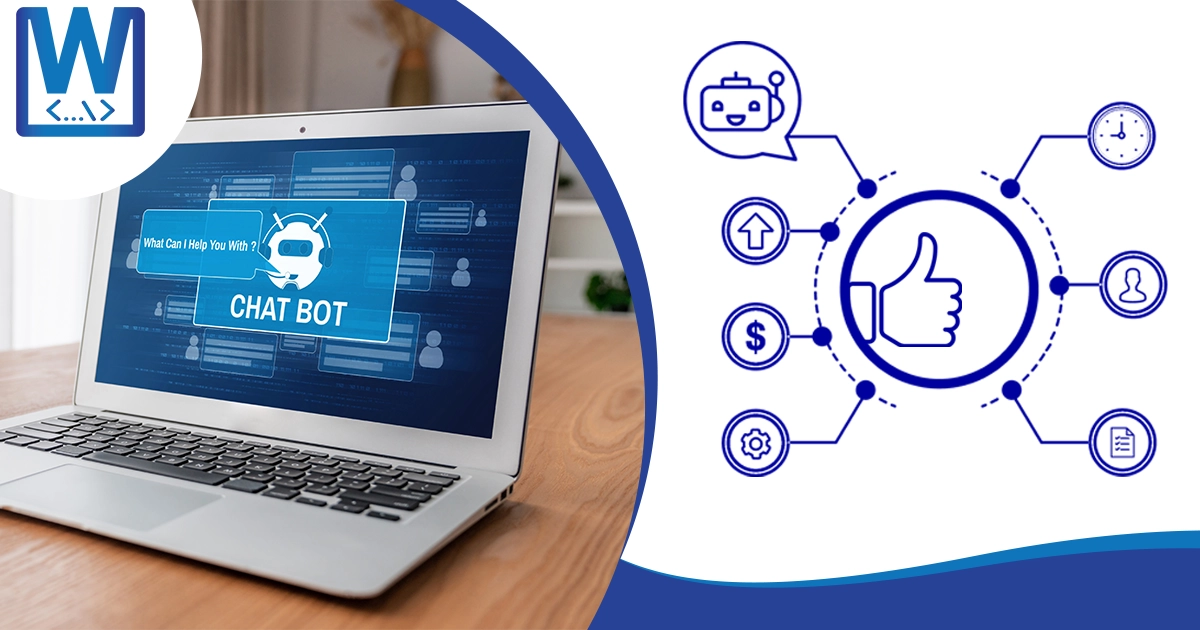
Benefits of Using Chatbots on Your Website.
Chatbot benefits on websites can enhance the user experience, improve efficiency, and drive business growth. Here are some chatbot advantage:
- Improved customer service: Chatbots can handle a large volume of queries simultaneously, providing instant responses and reducing wait times. This improves customer satisfaction, as users can get the help they need quickly without having to wait for a human representative.
- Cost-effective: Implementing a chatbot can significantly reduce the need for a large customer service team, leading to lower operational costs. Chatbots can handle routine queries and tasks, freeing up human agents to focus on more complex issues that require a personal touch.
- Lead generation: Chatbots can engage visitors, qualify leads, and collect contact information, which can be passed on to the sales team for follow-up. By asking relevant questions and providing timely responses, chatbots can help convert visitors into potential customers.
- Enhanced user engagement: Interactive chatbots can keep users engaged on your website by providing personalized recommendations, answering questions, and guiding them through processes. Website chatbots increased engagement can lead to higher conversion rates and improved user experience.
- Streamlined processes: This can automate repetitive tasks such as answering frequently asked questions, scheduling appointments, and processing orders. Chatbots automation not only saves time but also ensures accuracy and consistency in handling these tasks.
- Reduced human error: Chatbots follow predefined scripts and algorithms, minimizing the risk of human error in responses and processes. This accuracy can enhance the quality of customer support and ensure that users receive correct and helpful information.
- Scalability: Chatbots can easily handle an increasing volume of interactions without the need for additional resources. As your business grows, chatbots can scale to meet the demand, ensuring that user support remains efficient and effective.


