

Enhancing User Engagement through Interactive Website Design
Enhancing user engagement through interactive website design is crucial for creating a positive user experience and keeping visitors interested in your site. User engagement strategies not only make your website more dynamic, interesting, and user-friendly but also encourage users to spend more time exploring your content. Here are some engaging web design strategies for interactive websites:
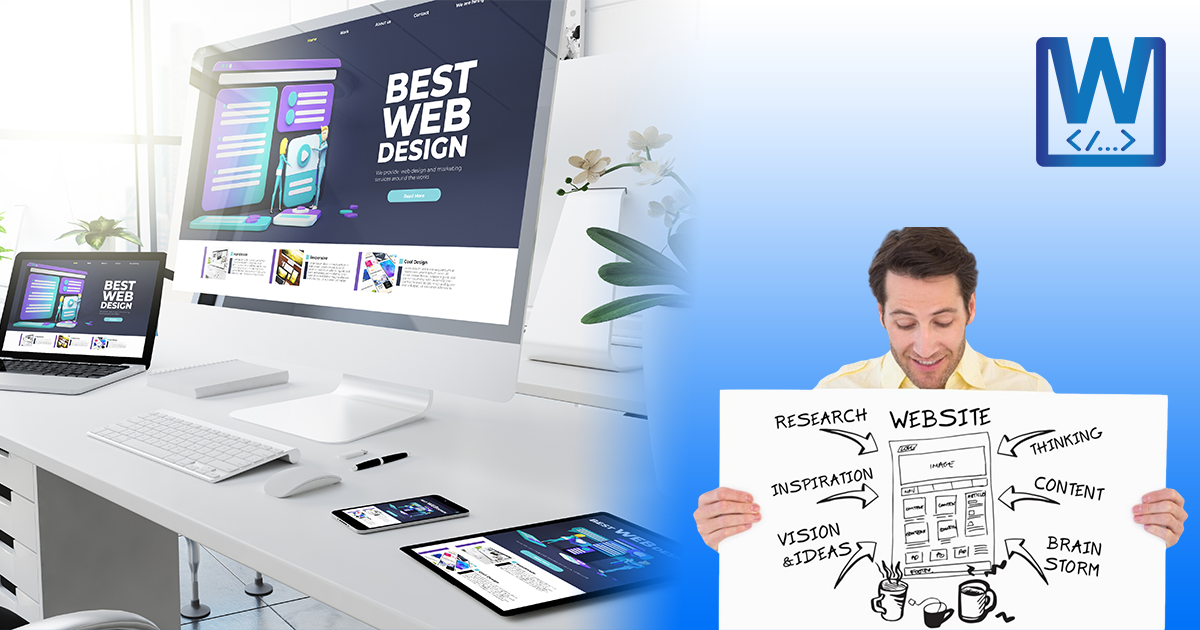
- Responsive design: Make sure your website is responsive, which means it can adapt to different screen sizes and devices. A seamless experience across desktops, tablets, and smartphones will encourage users to engage with your site from different platforms.
- Intuitive navigation: Design a user-friendly navigation structure. Users should be able to easily find the information they are looking for without getting lost. Use clear labels and well-organized menus to guide users through your site.
- Engaging visuals: Incorporate high-quality images, graphics, and videos to capture users’ attention. Visual content can convey information more effectively than text alone and is more likely to be shared on social media.
- Scroll-triggered animations: Implement subtle animations that are triggered as users scroll down the page. These can add a touch of interactivity and make the browsing experience more enjoyable.
- Chatbots and live chat: Incorporate chatbots or live chat features to provide real-time assistance to users. This not only enhances user engagement but also improves customer support and satisfaction.
- User-generated content: Encourage users to contribute content through comments, reviews, or user-generated media. This not only increases engagement but also adds a social aspect to your website.
- Personalization: Implement personalized content recommendations based on users’ preferences and behaviors. Personalized experiences make users feel more connected to your website.
- Social media integration: Enable easy sharing of your content on social media platforms. Also, consider integrating social media feeds into your website to keep it dynamic and up-to-date.
- Mobile-friendly interactions: Ensure that interactive elements are optimized for mobile users. Touch-friendly features and gestures can enhance the mobile user experience.
- Progressive Web Apps (PWAs): Consider developing your website as a Progressive Web App, allowing for offline access and a more app-like experience.
Incorporating Interactive Elements for Better User Interaction
Incorporating website interaction elements is an effective way to improve user interaction and engagement. Here are some specific interactive website elements you can consider implementing:
- Call-to-Action (CTA) buttons: Design eye-catching and clickable CTA buttons that guide users towards desired actions. Use compelling language and colors to make them stand out.
- Interactive infographics: Present data and information using interactive infographics. Allow users to click on different elements to reveal more details or navigate through different sections.
- Interactive maps: If applicable, embed interactive maps that users can explore. This is particularly useful for businesses with physical locations or for showcasing geographical data.
- Social media feeds: Display real-time social media feeds on your website to keep content fresh and encourage users to connect with your social profiles.
- User surveys and polls: Integrate interactive surveys or polls to gather user feedback. This not only engages users but also provides valuable insights into their preferences and opinions.
- Chatbots and virtual assistants: Implement chatbots or virtual assistants to provide instant support and engage users in real-time conversations. This can enhance the overall user experience.
- Interactive forms: Make form-filling more engaging by incorporating interactive elements. For example, show or hide sections based on user input, provide real-time validation, or include interactive elements like sliders and checkboxes.


