

Print vs. Digital Design
In the world of design, there is an ongoing difference between print and digital design. Both have their own unique characteristics, design trends, and design principles that set them apart. Print or digital design are both important as they enhance functionality, aesthetics, and the user experience, driving innovation and effective communication. To understand more, here are some points to describe the differences between print and digital design:
Print Design
Print design is a traditional form of visual communication that involves creating materials for physical distribution. It encompasses a wide range of items, such as brochures, flyers, posters, magazines, newspapers, packaging, and more. Print design is characterized by:
- Static Layout: Print materials have a fixed, unchanging layout, which means the designer must carefully plan the placement of elements on the page. This requires a keen eye for aesthetics and balance.
- Resolution: Print design necessitates high resolution to ensure crisp and clear imagery and text. Designers work with DPI (dots per inch) to achieve the best results.
- Color Accuracy: Achieving precise color reproduction is vital in print design. Designers often use pantone colors or CMYK color models to ensure accurate and consistent results.
- Tactile Experience: Print design allows for a tactile experience. People can touch and feel the materials, which adds a sensory dimension to the design.
- Design Trends: Print design has its own set of design trends that evolve over time. These trends may include vintage aesthetics, minimalism, or bold typography, depending on the era and audience.
- Design Principles: Traditional design principles like balance, contrast, alignment, and proximity are critical in print design to create visually appealing and organized layouts.
Digital Design
On the other hand, digital design involves creating visuals for screens, including websites, mobile apps, social media graphics, and more. Digital design is characterized by:
- Responsive Layout: Digital design requires adaptability to various screen sizes and orientations, making it essential for designers to create responsive layouts that look good on different devices.
- Pixel Resolution: Digital design is based on pixel resolution, which can vary depending on the intended display. Designers work with pixel dimensions to ensure images and text display properly.
- RGB Color Model: Digital design primarily uses the RGB color model to display colors on screens. This is different from the CMYK color model used in print.
- Interactivity: Digital designs can include interactive elements like buttons, animations, videos, and user interface components, enhancing user engagement and the user experience.
- Instant Sharing: Digital designs can be easily shared and distributed online, making them accessible to a global audience with just a few clicks.
- Design Trends: Digital design follows its own set of trends, often influenced by technology and user preferences. Trends may include flat design, minimalism, or parallax scrolling.
- Design Principles: While digital design principles share common ground with print, they also involve considerations like user experience (UX) and user interface (UI) design, focusing on usability and interactivity.
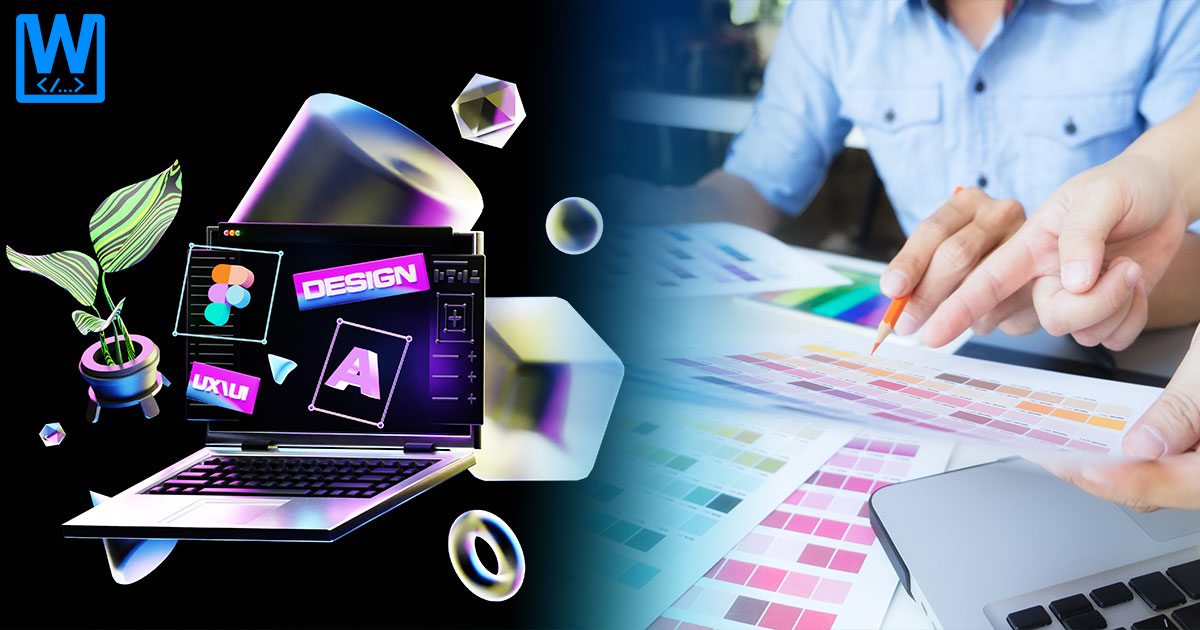
Which one to choose for creating memorable designs?
The choice between print and digital design for creating memorable designs depends on various factors, including your target audience, the purpose of your design, and the message you want to convey. Here are some considerations to help you make an informed choice:
- Audience: Consider the preferences and habits of your audience. If your target audience is more inclined toward traditional media and enjoys a tactile experience, print design might be a better choice. On the other hand, if your audience is tech-savvy and accustomed to digital interactions, digital design may be more effective.
- Purpose: The purpose of your design plays a crucial role. Print design is excellent for creating tangible, physical materials such as brochures, business cards, and posters, which can leave a lasting impression. Digital design, on the other hand, is well-suited for web-based content, interactive experiences, and content that needs to reach a broad online audience.
- Budget: Consider your budget constraints. Print design often involves printing and production costs, while digital design primarily requires software tools and web hosting. Depending on your budget, one may be more cost-effective than the other.
- Measurability: Digital design offers the advantage of easy measurability through analytics. You can track user interactions, clicks, and conversions, which can help in refining and optimizing your design for better results.
- Adaptability: Digital design is inherently more adaptable to changes. It allows for quick updates and adjustments, making it suitable for dynamic content and rapidly evolving design trends. Print design, once produced, is less flexible in this regard.


