

The Future of E-commerce: Emerging Trends
The dynamic landscape of e-commerce in the future will be shaped by evolving online retail trends, shifting consumer behaviors, and technological advancements. It will be guided by innovation, convenience, and customer focus as businesses adapt to meet the evolving needs of consumers in an increasingly digital world. Here are some emerging e-commerce trends:
- Mobile Commerce (M-commerce): With the proliferation of smartphones and faster mobile internet connectivity, more consumers are shopping on their mobile devices. E-commerce businesses are focusing on optimizing their platforms for mobile users, offering seamless and intuitive mobile shopping experiences.
- Voice commerce: Voice-activated assistants like Amazon’s Alexa, Google Assistant, and Apple’s Siri are transforming how consumers interact with e-commerce platforms. Voice commerce enables users to search for products, place orders, and track deliveries using voice commands, providing a hands-free and convenient shopping experience.
- Augmented Reality (AR) and Virtual Reality (VR): AR and VR technologies are being integrated into e-commerce platforms to enhance the shopping experience. Retailers are leveraging AR to allow customers to visualize products in their real-world environment before making a purchase, while VR is used to create immersive virtual shopping environments.
- Artificial Intelligence (AI) and Machine Learning: E-commerce companies are using AI-powered solutions for a range of tasks, such as fraud detection, inventory management, chatbots for customer support, and personalized product recommendations. Machine learning algorithms analyze vast amounts of data to improve the efficiency and effectiveness of e-commerce operations.
- Social commerce: Social media platforms are increasingly becoming key channels for e-commerce sales. Businesses are leveraging social commerce features such as shoppable posts, live streaming shopping events, and influencer partnerships to reach and engage with customers directly on social media platforms.
- Same-day and instant delivery: The demand for faster delivery options is driving e-commerce companies to invest in logistics and fulfillment capabilities. Same-day and instant delivery services are becoming more common, enabling customers to receive their orders within hours of purchase, particularly in urban areas.
- Sustainable and ethical e-commerce: Consumers are increasingly concerned about the environmental and social impact of their purchases. E-commerce businesses are responding by offering sustainable and ethically sourced products, transparent supply chains, and eco-friendly packaging options to cater to environmentally conscious consumers.
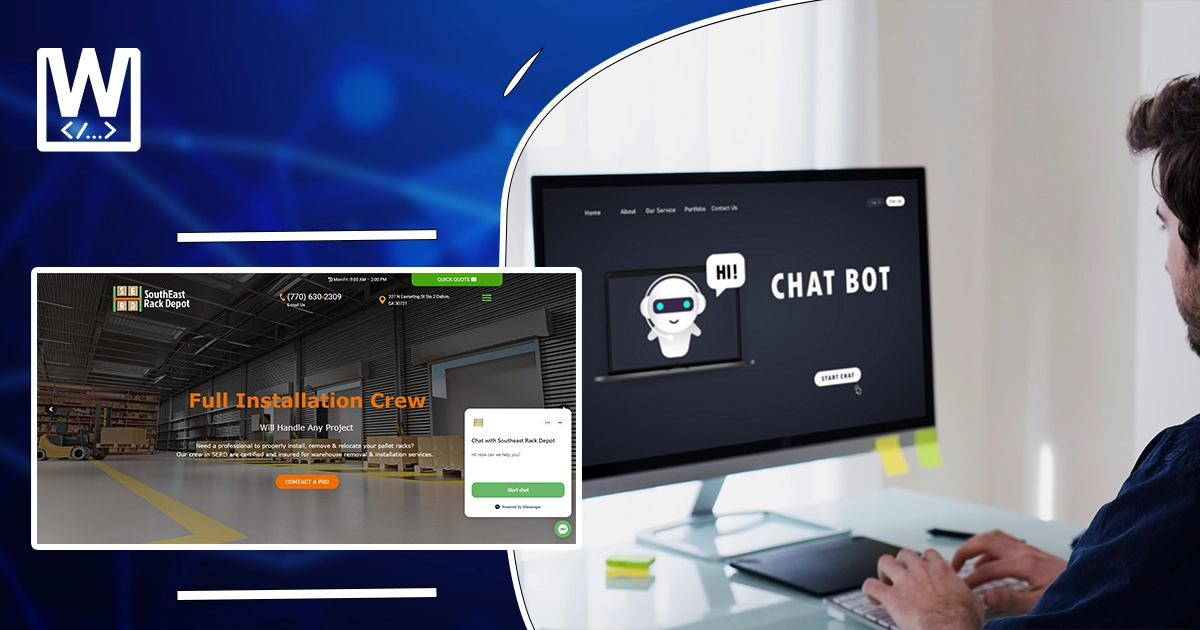
Integrating Chatbots for Enhanced Customer Support.
Integrating chatbots for enhanced customer support is a strategic move for e-commerce businesses to provide efficient, round-the-clock assistance to their customers while reducing operational costs. By leveraging AI chatbots, businesses can deliver superior customer experiences and gain a competitive advantage in the increasingly competitive e-commerce landscape. Here’s how integrating chatbots can enhance customer support:
- 24/7 availability: Chatbots can provide instant responses to customer inquiries, even outside of regular business hours. This ensures that customers can get assistance whenever they need it, leading to improved satisfaction and loyalty.
- Instant responses: Chatbots can quickly answer common questions and provide information on product details, shipping, returns, and more. This reduces customer wait times and eliminates the need for customers to navigate through complex help documentation or wait for a human agent to become available.
- Scalability: Chatbots can handle multiple customer inquiries simultaneously, allowing businesses to scale their customer support operations efficiently without the need to hire additional staff. This is particularly beneficial during peak times, such as holiday seasons or promotional events, when customer inquiries may surge.
- Personalization: Advanced chatbots can leverage AI and machine learning algorithms to personalize interactions with customers based on their purchase history, browsing behavior, and preferences. By offering tailored recommendations and solutions, chatbots can enhance the overall customer experience and drive sales.
- Reduced response time: With chatbots handling routine inquiries, human agents can focus on more complex issues that require empathy, critical thinking, and problem-solving skills. This leads to faster resolution times for customers and increases the efficiency of the customer support team.
- Multichannel support: Chatbots can be integrated across various communication channels, including websites, mobile apps, social media platforms, and messaging apps. This ensures a consistent support experience for customers, regardless of the channel they use to interact with the business.
- Cost-effectiveness: Integrating chatbots for customer support can significantly reduce the operational costs associated with hiring and training human agents. While there may be initial setup and development costs, the long-term savings can be substantial, especially for businesses with high volumes of customer inquiries.
- Data collection and analysis: Chatbots can collect valuable data on customer interactions, preferences, and pain points, which can be used to optimize products, services, and marketing strategies. Analyzing chatbot conversations can provide insights into common customer issues and opportunities for improvement.
- Language support: Chatbots can be programmed to support multiple languages, allowing businesses to serve a diverse customer base effectively. This is particularly advantageous for e-commerce businesses operating in global markets.
- Continuous improvement: By analyzing chatbot performance and customer feedback, businesses can iteratively improve their chatbot algorithms and responses over time, ensuring that the customer support experience remains relevant and effective.


