

Leveraging AI in Digital Marketing
Leveraging AI in marketing is transforming the landscape, offering businesses innovative ways to engage with their audience, optimize campaigns, and drive growth. Digital marketing trends require continuous learning and adaptation to the business power of AI to create effective and engaging digital marketing strategies. Here are some futures of digital marketing to watch:
- Personalization at scale: AI can analyze vast amounts of data to deliver hyper-personalized content and experiences. Expect increasingly sophisticated recommendations, targeted ads, and dynamic content that adjusts in real time based on user behavior and preferences.
- Chatbots and virtual assistants: AI-powered chatbots and virtual assistants will become more advanced, providing more human-like interactions. They’ll handle complex queries, offer personalized recommendations, and enhance customer service with 24/7 availability.
- Predictive analytics: AI will help marketers predict trends and consumer behavior more accurately. This means better forecasting, smarter inventory management, and more effective campaign strategies.
- Content generation: AI tools are becoming capable of generating high-quality content, including blog posts, social media updates, and even creative assets. This will streamline content creation and help maintain a consistent brand voice.
- Enhanced data analytics: AI will provide deeper insights into campaign performance and customer behavior. This will allow marketers to make data-driven decisions and optimize their strategies in real time.
- Visual and voice search optimization: As visual and voice search technologies improve, AI will play a key role in optimizing content for these formats. This will change how SEO is approached, focusing more on visual elements and natural language processing.
- Programmatic advertising: AI will enhance programmatic ad buying, making it more efficient and effective. It will enable better targeting, real-time bidding, and optimization of ad placements.
- Sentiment analysis: AI tools will become better at understanding and analyzing consumer sentiment across social media and other platforms. This will help brands gauge public opinion and adjust their strategies accordingly.
- Augmented Reality (AR) experiences: AI will enhance AR applications, creating more immersive and interactive marketing experiences. This could include virtual try-ons, interactive product demos, and more.
- Ethical AI use: As AI becomes more integrated into marketing, there will be a greater focus on ethical considerations, including data privacy, transparency, and avoiding bias.
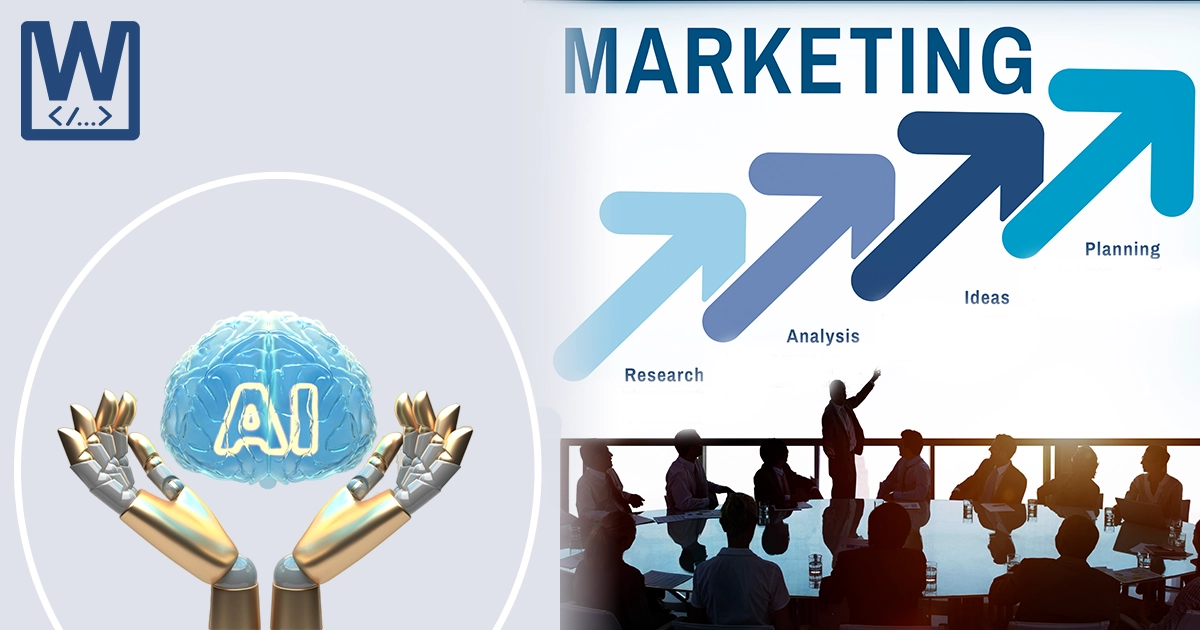
How AI Can Transform Your Marketing Strategy.
AI marketing strategies have the potential to revolutionize your market by improving efficiency, personalization, and decision-making. Incorporating AI marketing into your strategy can achieve greater precision, efficiency, and effectiveness in reaching and engaging your target audience. Here’s how AI can enhance various aspects of your marketing efforts:
- Customer insights and segmentation: AI can analyze customer data to uncover valuable insights, identify trends, and segment your audience more accurately. This allows for targeted campaigns that resonate with specific groups.
- Automated campaign management: AI can automate routine marketing tasks such as scheduling posts, managing ad bids, and tracking performance. This frees up time for marketers to focus on strategic planning and creative tasks.
- Enhanced customer support: AI-powered chatbots and virtual assistants can handle customer inquiries, provide support, and guide users through their journey 24/7. This improves response times and enhances customer satisfaction.
- Predictive analytics: AI can predict future trends, customer behavior, and market shifts by analyzing historical data. This enables you to make informed decisions, anticipate customer needs, and adjust your strategy proactively.
- Dynamic pricing and offers: AI can optimize pricing strategies in real-time based on factors such as demand, competition, and customer behavior. This helps maximize revenue and competitiveness.
- Campaign optimization: AI can continuously monitor and analyze campaign performance, making real-time adjustments to improve results. This includes optimizing ad spend, targeting, and creative elements.
- Fraud detection and security: AI can identify and prevent fraudulent activities, such as click fraud or account hijacking, by analyzing patterns and anomalies. This ensures the integrity of your marketing efforts and protects your budget.


