

Navigating the Trends: Modern Web Design for 2023.
Navigating the trends of web design is about staying informed and adapting to the evolving styles, technologies, and user preferences in the field of website design. Web design is a dynamic and ever-changing field, with the latest web design trends that come and go based on factors like technological advancements, user behavior, and aesthetic preferences. Web designers create visually appealing, functional, and user-friendly websites that meet industry standards and preferences by effectively navigating trends. Here are some of the current web design trends:
- Responsive and mobile-first design: Designing for mobile devices remains a priority. Ensure that your website looks and functions well on various screen sizes and devices.
- Minimalism and clean design: Simplified and clutter-free designs continue to be popular. Minimalistic design not only looks modern but also improves the user experience by focusing on essential elements.
- Dark mode: Dark mode has become a preferred choice for many users. It’s easier on the eyes, conserves energy (for OLED screens), and can give your website a contemporary feel.
- Immersive experiences: Technologies like WebGL and WebXR are being used to create more immersive and interactive web experiences. This is particularly relevant for industries such as gaming, entertainment, and education.
- Microinteractions: Small, subtle animations and interactions enhance user engagement. These microinteractions can include hover effects, button animations, and other small details that make the website more dynamic.
- AI-powered personalization: Integrating artificial intelligence to offer personalized user experiences. This could involve personalized content recommendations, chatbots for customer support, and more.
- Voice User Interface (VUI): With the rise of voice-activated devices, designing for voice interactions is gaining importance. Consider incorporating VUI elements to make your website accessible to voice commands.
- Accessibility: Accessibility remains a critical aspect of web design. Ensuring your website is usable by people of all abilities is not just a trend, but a necessity.
- 3D elements and graphics: Three-dimensional elements and graphics can add depth and visual interest to a website. This includes 3D illustrations, backgrounds, and animations.
- Typography experimentation: Creative use of fonts and typography to make websites stand out. Large, bold typography is often used to create a focal point on the page.
- Sustainability: Designing with sustainability in mind, both in terms of visual elements and the underlying technology. This includes optimizing for energy efficiency and reducing the environmental impact of websites.
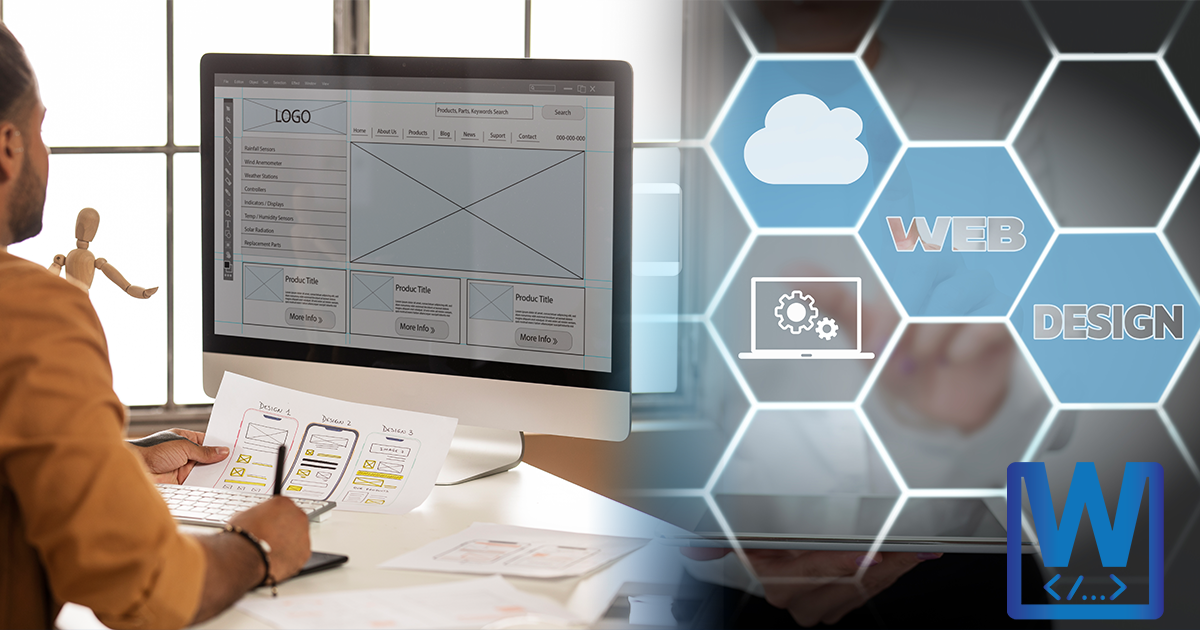
Staying Ahead with Contemporary Design Approaches
Staying ahead in contemporary website design involves a combination of staying informed about the latest trends, understanding user needs, and adapting to technological advancements. By combining modern design approaches, you can position yourself as a forward-thinking and adaptable designer in the ever-evolving landscape of web design. Creating a cutting-edge website design involves incorporating the latest design trends, technologies, and user experience strategies. Here are some approaches to help you stay ahead in web design:
- Continuous learning: Stay updated on the latest design tools, techniques, and technologies. Attend conferences, webinars, and workshops to learn from industry experts. Follow design blogs, forums, and social media to keep abreast of new developments.
- User-centric design: Prioritize user interface (UI) and user experience (UX) design. Understand your target audience, conduct user research, and incorporate feedback into your designs. A user-centric approach ensures that your designs meet the needs and expectations of your users.
- Adopting design systems: Design systems promote consistency and efficiency by providing a centralized library of design elements, patterns, and guidelines. They streamline the design and development process, ensuring a cohesive and unified user experience across different parts of a website or application.
- Experimenting with new technologies: Explore emerging technologies such as augmented reality (AR), virtual reality (VR), and voice interfaces. Integrating these technologies into your designs can provide unique and immersive experiences for users.
- Collaboration with developers: Foster a collaborative relationship with developers. Understanding the technical aspects of web development can help you design solutions that are not only visually appealing but also feasible to implement.
- Incorporating microinteractions: Pay attention to microinteractions, which are small animations or design elements that enhance user engagement. Thoughtful microinteractions can make a website more interactive and enjoyable for users.
- Accessibility as a priority: Designing with accessibility in mind is not only a best practice but also a legal requirement in many places. Ensure that your designs are accessible to people with disabilities, and stay updated on accessibility guidelines and standards.


