
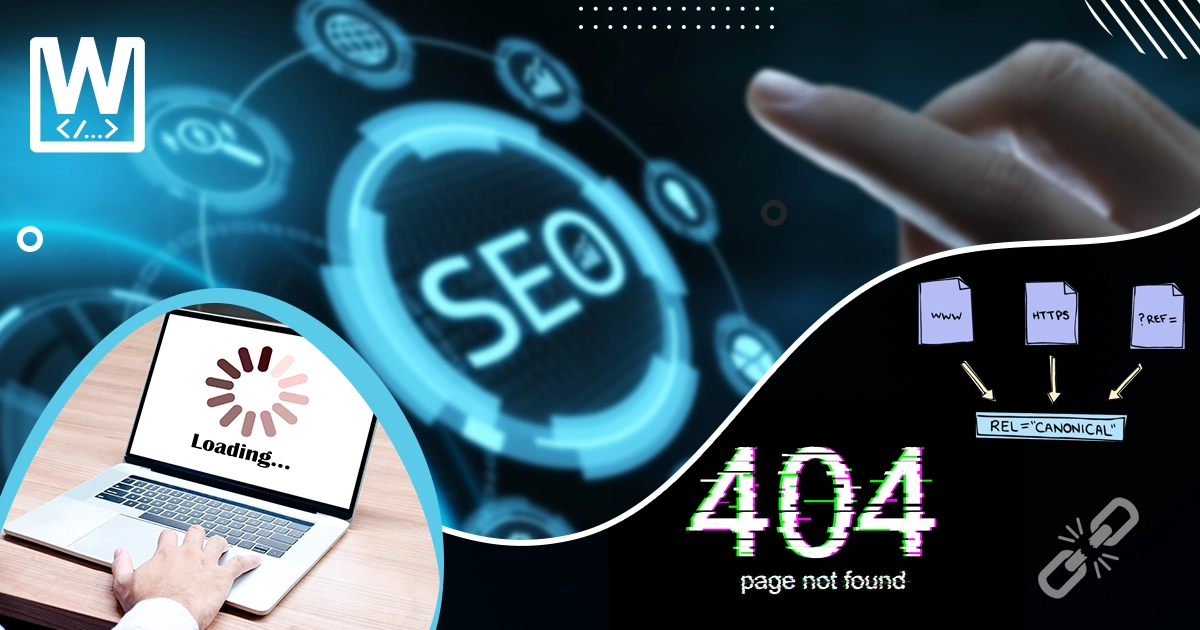
9 SEO issues we get to tackle everyday.
SEO (Search Engine Optimization) issues refer to problems or shortcomings that hinder a website’s ability to rank well in search engine ranking pages. These issues can arise from various factors, including technical, content-related, or strategic aspects of website optimization. Addressing SEO issues and ensuring that a web page is optimized for search engines can improve its visibility, traffic, and ultimately, its success online. Here are nine common SEO issues that website owners often encounter:
- Poor keyword optimization: Failing to target the right keywords or over-optimizing content with keywords can harm rankings. It’s important to use relevant keywords naturally throughout your content.
- Thin or duplicate content: Having thin content (content with little substance) or duplicate content (content that appears elsewhere on the web) can lead to lower rankings. Ensure your content is unique, valuable, and substantial.
- Slow page speed: Slow-loading pages can frustrate users and lead them to abandon your site, which can negatively impact your search engine rankings. Optimizing images, reducing unnecessary code, and utilizing caching can help improve page speed.
- Lack of mobile optimization: With the increasing use of mobile devices, having a website that is not optimized for mobile can result in a poor user experience and lower search engine rankings. Make sure your website is responsive and mobile-friendly.
- Broken links: Broken links not only disrupt the user experience but also signal to search engines that your site may not be well-maintained. Regularly check for and fix broken links to keep your site healthy.
- Missing meta tags: Meta tags, including title tags and meta descriptions, play a crucial role in SEO. Missing or poorly optimized meta tags can negatively impact your website visibility in search engine results.
- Ineffective URL structure: URLs that are poorly structured or excessively long can be difficult for both users and search engines to understand. Opt for descriptive, concise, and SEO-friendly URLs.
- Lack of quality backlinks: Backlinks from authoritative and relevant websites are an important ranking factor. Failing to build quality backlinks can limit your site’s visibility in search engine results.
- Ignoring technical SEO: Technical SEO issues, such as improper use of canonical tags, crawl errors, and server issues, can hinder search engine bots from properly indexing and ranking your site. Regularly audit and address technical SEO issues to ensure optimal performance.

How to fix these issues?
Here are steps for fixing SEO issues:
- Poor keyword optimization: Research relevant keywords using tools like Google Keyword Planner or SEMrush. Use keywords naturally throughout your content, including in titles, headings, meta tags, and body text. Avoid keyword stuffing and focus on providing informative and valuable content.
- Thin or duplicate content: Create high-quality, original content that provides value to your audience. Conduct regular content audits to identify and remove thin or duplicate content. Utilize canonical tags to consolidate duplicate content if necessary.
- Slow page speed: Optimize images by compressing them without compromising quality. Minify CSS, JavaScript, and HTML to reduce file sizes. Enable browser caching and utilize content delivery networks (CDNs) to improve loading times.
- Lack of mobile optimization: Use responsive web design to ensure your site is mobile-friendly and adapts to different screen sizes. Test your site on various mobile devices to ensure best performance. Optimize mobile site speed by minimizing redirects and using accelerated mobile pages (AMP) where appropriate.
- Broken links: Regularly use tools like Google Search Console or broken link checkers to identify broken links. Fix broken links by updating URLs or redirecting to relevant pages. Implement 301 redirects for permanently moved content.
- Missing meta tags: Ensure each page has a unique and descriptive title tag that includes relevant keywords. Write compelling meta descriptions that accurately summarize the page’s content and encourage clicks. Use structured data markup to provide extra context to search engines.
- Ineffective URL structure: Create short, descriptive URLs that include relevant keywords. Use hyphens to separate words in URLs for readability. Avoid using dynamic parameters whenever possible.
- Lack of quality backlinks: Develop a comprehensive link-building strategy focused on acquiring high-quality, relevant backlinks. Reach out to industry influencers, participate in guest blogging, and leverage social media to earn backlinks. Monitor your backlink profile regularly and low-quality links or disavow spammy.
- Ignoring technical SEO: Regularly audit your website for technical issues using tools like Screaming Frog or SEMrush. Fix crawl errors, broken redirects, and duplicate content issues. Optimize site structure, internal linking, and site speed to improve overall technical SEO performance.


